MILD Procedure for Lumbar Spinal Stenosis

The MILD procedure is minimally invasive lumbar decompression for lumbar spinal stenosis — walking pain that eases when you sit or lean forward. If therapy has plateaued, request a consultation with Dr. John Smirniotopoulos to review whether this alternative to laminectomy is a fit.

Typically outpatient, with light sedation rather than general anesthesia
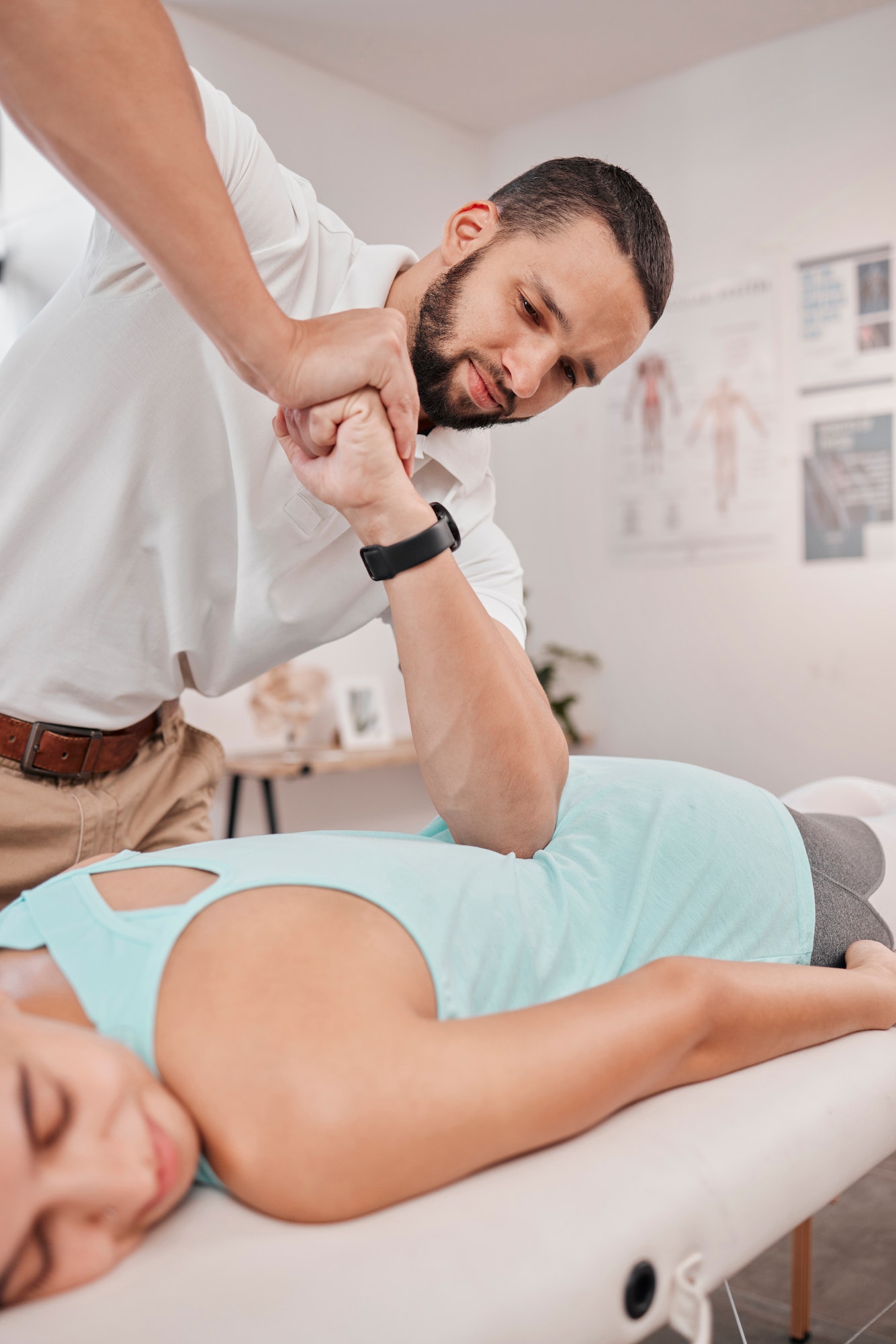
Walking pain from lumbar spinal stenosis evaluated for the MILD procedure

The procedure

Minimally invasive lumbar decompression for stenosis

MILD is percutaneous lumbar decompression: thickened ligamentum flavum is removed through a tiny opening so the canal has more room. It is one option among spine treatments at Full Motion Joint and Spine — not hardware, and not a promised result.

Not fusion

Not a large laminectomy

No implants in the usual MILD visit. Facet-driven twisting pain may need medial branch ablation instead.

Hospital setting

MedStar procedures

Done in the MedStar hospital setting. Visit flow is on the Locations page.

Next step

Request a consult

Request a consultation so candidacy is decided in person — not from this page.

The canal

Neurogenic claudication — walking pain from stenosis

Lumbar spinal stenosis can cause leg and back pain that worsens with standing or walking (neurogenic claudication) and eases with sitting. Thickened ligament crowding the canal is the usual MILD story — not every “stenosis” line on an MRI.

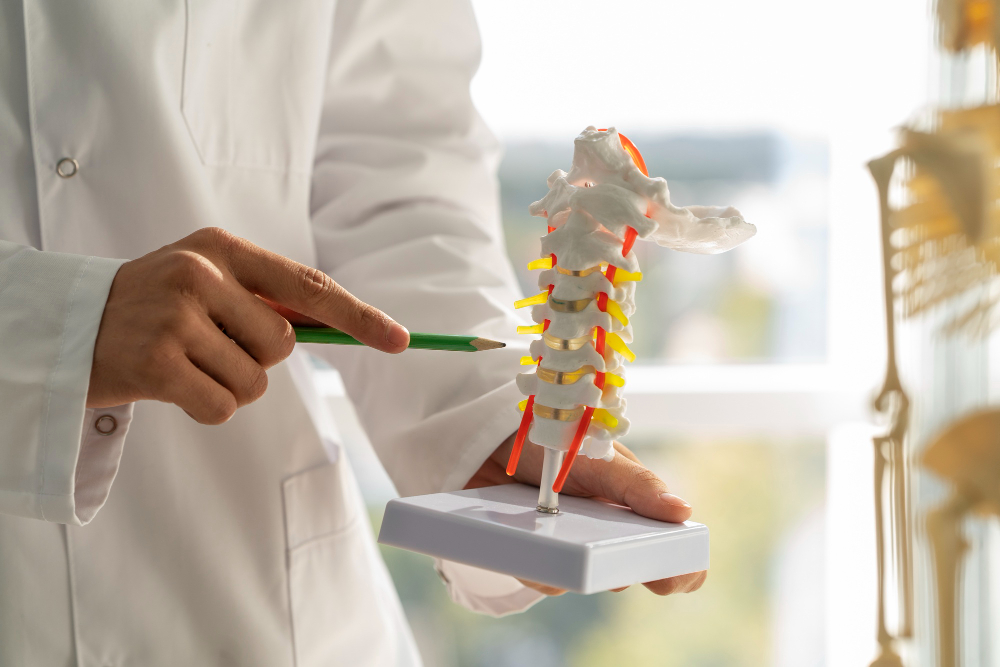
Patient with walking limits from lumbar stenosis discussing MILD
Spine education before minimally invasive lumbar decompression

The opening

Ligamentum flavum removed through a tiny opening

Through a tiny opening, thickened ligament tissue is removed to relieve pressure on the nerves — typically without general anesthesia. This is image-guided percutaneous lumbar decompression, not an open laminectomy.

Candidacy

A consult if walking distance keeps shrinking

People ask about MILD when they want an alternative to laminectomy after conservative care. Dr. John Smirniotopoulos decides candidacy in person — not from this page.

Often discussed at consult

  • Walking or standing pain that eases when you sit or lean forward
  • Imaging support for ligament-driven lumbar stenosis
  • Interest in a small-opening option instead of a large decompression

Candidacy is confirmed in person — not from this page.

Not every stenosis report

Instability, a large disc fragment, or pain from another structure can point elsewhere.

New bowel or bladder loss, saddle numbness, or rapidly worsening weakness needs urgent care — not this page.

The visit

Your MILD visit, start to finish

01

Before you arrive

Imaging review of the canal and ligament. Simple prep. See Locations.

02

The day of treatment

Outpatient small-opening decompression. Arrange a ride home.

03

Going home

Typically same-day discharge when the visit goes as planned.

04

Follow-up

Most people return to light activity within a few days. Timelines vary. No rate is quoted here.

Afterward

Recovery after the MILD procedure

This is not fusion recovery. If MILD is not the match, options include continued conservative care, facet treatment, or surgical evaluation with your existing team.

Follow-up after outpatient MILD procedure for spinal stenosis

Care led by

Dr. John Smirniotopoulos

MILD is performed by a dual board-certified interventional and diagnostic radiologist, Associate Professor of Radiology at MedStar Georgetown University Hospital, fellowship-trained in vascular and interventional radiology (2020). Credentials are on the About page.

  • Dual board-certified Interventional & Diagnostic Radiology
  • American Board of Radiology
  • Associate Professor of Radiology MedStar Georgetown
  • Society of Interventional Radiology SIR

Before you book

MILD questions we hear at consult

What is the MILD procedure?

Minimally invasive lumbar decompression for selected ligament-driven spinal stenosis. It is not a large laminectomy. Results vary.

Can it help neurogenic claudication?

That walking-then-sitting pattern is the usual consult. Candidacy is confirmed in person — not from this page.

Is MILD an alternative to laminectomy?

For selected people, yes — it is discussed as a smaller option. It is not for every stenosis MRI.

Is it outpatient?

Yes. MILD is typically outpatient with same-day discharge when the visit proceeds as planned.

Scroll to Top

Foot & Heel

Plantar Fasciitis Embolization

An artery-based treatment for stubborn heel pain that hasn’t responded to the usual measures.

What it treats

Persistent plantar fasciitis — heel and arch pain that hasn’t eased with rest, stretching, orthotics, or injections.

How it works

A thin catheter delivers tiny particles to the small vessels feeding the inflamed plantar fascia, gently reducing the abnormal blood flow behind the pain.

Recovery

Outpatient with same-day discharge; relief can build over the following weeks.

Whether this is right for you is confirmed at your consultation.

Knee

Shoulder Nerve Ablation

A treatment that quiets the sensory nerves carrying pain from the shoulder joint.

What it treats

Chronic shoulder pain, often for people who aren’t ready for or wish to avoid surgery.

How it works

Guided by imaging, radiofrequency energy is applied to the small nerves around the shoulder so they stop relaying the pain signal.

Recovery

Quick outpatient procedure with relief that can last many months.

Whether this is right for you is confirmed at your consultation.

Shoulder

Shoulder Embolization

An artery-based treatment for stubborn shoulder pain and stiffness.

What it treats

Persistent shoulder pain from conditions like rotator-cuff tendinopathy or frozen shoulder (adhesive capsulitis).

How it works

A catheter guides tiny particles to the inflamed vessels around the shoulder, gently reducing the abnormal blood flow that fuels the pain.

Recovery

Outpatient with same-day discharge; improvement in pain and stiffness can build over the following weeks.

Whether this is right for you is confirmed at your consultation.

Hip

Hip Nerve Ablation

A treatment that quiets the sensory nerves carrying pain from the hip joint.

What it treats

Chronic hip pain, often for people who aren’t candidates for or wish to avoid hip surgery.

How it works

Guided by imaging, radiofrequency energy is applied to the small nerves around the hip so they stop relaying the pain signal.

Recovery

Quick outpatient procedure with relief that can last many months.

Whether this is right for you is confirmed at your consultation.

Hip

Trochanteric Bursitis Embolization

A treatment for the nagging pain on the outer hip that comes from stubborn bursitis.

What it treats

Persistent pain over the outside of the hip (greater trochanteric pain) that hasn’t responded to rest, therapy, or injections.

How it works

Through a catheter, tiny particles reduce the abnormal blood flow feeding the inflamed tissue around the bursa, helping settle the pain at its source.

Recovery

Outpatient with same-day discharge and a short recovery.

Whether this is right for you is confirmed at your consultation.

Hip

Hip Embolization

An artery-based treatment that eases chronic hip pain by calming inflamed joint tissue.

What it treats

Ongoing hip pain from osteoarthritis, or pain that has lingered after prior hip surgery.

How it works

A catheter delivers tiny particles to the vessels feeding the inflamed hip joint, gently reducing the excess blood flow behind the pain.

Recovery

Outpatient with same-day discharge and a short recovery.

Whether this is right for you is confirmed at your consultation.

Knee

Genicular Nerve Ablation

A needle-based treatment that quiets the sensory nerves carrying pain from the knee.

What it treats

Chronic knee pain from arthritis, often for people who aren’t ready for or want to avoid surgery.

How it works

Guided by imaging, radiofrequency energy is applied to the small genicular nerves around the knee so they stop relaying the pain signal to the brain.

Recovery

Quick outpatient procedure. Relief can last many months, and it can be repeated over time if needed.

Whether this is right for you is confirmed at your consultation.

Knee

Genicular Artery Embolization

A newer, artery-based treatment that calms the inflammation driving knee osteoarthritis pain.

What it treats

Persistent knee pain from osteoarthritis — especially for people hoping to delay or avoid a knee replacement.

How it works

A thin catheter is guided through a small wrist or groin access to the tiny vessels feeding the inflamed joint lining, where microscopic particles gently reduce that excess blood flow.

Recovery

Outpatient with same-day discharge. Most people resume normal activity quickly; relief can build over the following weeks.

Whether this is right for you is confirmed at your consultation.

Back & Spine

Sacroiliac Joint Ablation

A targeted treatment for stubborn tailbone and deep pelvic pain, working through a small nerve bundle at the base of the spine.

What it treats

Chronic tailbone pain (coccydynia) and certain types of deep pelvic or perineal pain that haven’t eased with cushions, therapy, or other measures.

How it works

Guided by imaging, a diagnostic block first confirms the ganglion impar is the pain source; if it brings relief, neurolysis then quiets that nerve bundle for longer-lasting benefit.

Recovery

Quick outpatient procedure. Many people feel relief soon after, with lasting benefit when neurolysis is used.

Whether this is right for you is confirmed at your consultation.

Back & Spine

Ganglion Impar Block & Neurolysis

A treatment for pain coming from the sacroiliac joint, where the spine meets the pelvis.

What it treats

Low back, buttock, or hip-area pain that traces to the SI joint, usually confirmed first with a diagnostic block.

How it works

Using image guidance, radiofrequency energy calms the small nerves that carry pain from the SI joint.

Recovery

Outpatient, with a short recovery and relief that can last many months.

Whether this is right for you is confirmed at your consultation.

Back & Spine

Medial Branch Ablation

A treatment that quiets the small nerves carrying pain from the spine’s facet joints.

What it treats

Chronic back or neck pain coming from the facet joints, typically confirmed first with a diagnostic nerve block.

How it works

Guided by X-ray, radiofrequency energy is applied to the medial branch nerves so they stop relaying the pain signal from the facet joints.

Recovery

Quick outpatient procedure. Relief can last many months, and the treatment can be repeated if the nerves regrow over time.

Whether this is right for you is confirmed at your consultation.

Back & Spine

Minimally Invasive Lumbar Decompression

A gentle way to relieve the leg and back pain of spinal stenosis — without hardware or a large operation.

What it treats

Symptoms of lumbar spinal stenosis, such as back and leg pain that worsens with standing or walking, driven by thickened ligament crowding the spinal canal.

How it works

Through a tiny opening, thickened ligament tissue is removed to relieve pressure on the nerves — no implants and no general anesthesia in most cases.

Recovery

Outpatient, with most people back to light activity within a few days.

Whether this is right for you is confirmed at your consultation.

Back & Spine

Kyphoplasty

A treatment to stabilize a painful spinal compression fracture and help restore the vertebra’s natural height.

What it treats

Painful compression fractures of the spine, often related to osteoporosis, that cause sudden or persistent back pain.

How it works

Through a small puncture, a balloon gently restores the collapsed vertebra’s shape, and a specialized cement is placed to stabilize it — no open incision.

Recovery

Many people feel meaningful pain relief within a day. It’s an outpatient procedure with a short recovery.

Whether this is right for you is confirmed at your consultation.

Back & Spine

Basivertebral Nerve Ablation

A treatment for chronic low back pain that comes from within the vertebra itself — a specific type of pain your doctor can often see on an MRI.

What it treats

Ongoing low back pain linked to changes in the vertebral endplates (often called Modic changes) that hasn’t eased with therapy or other measures.

How it works

Using X-ray guidance, a small probe is guided into the vertebra and gentle radiofrequency energy quiets the basivertebral nerve carrying the pain signal — without affecting the disc or spinal joints.

Recovery

Done as an outpatient. Most people go home the same day and return to everyday activity within a few days.

Whether this is right for you is confirmed at your consultation.